A spill off my bicycle has meant that I have had a little more time for other pursuits recently and so I thought that I would share some of the books that have been on my Kindle of late as well as offer some short comments about them.
Increasingly my interest is piqued more by non-fiction than fiction. I also find that with few exceptions, I am less attracted to professional psychological literature than I am to writing by religious and moral philosophers about psychological and social themes. The exception to this is material that details and integrates research into the burgeoning field of neurobiology and evolutionary psychology and the rich perspectives this field is offering on our emotional, cognitive, and relational functioning.
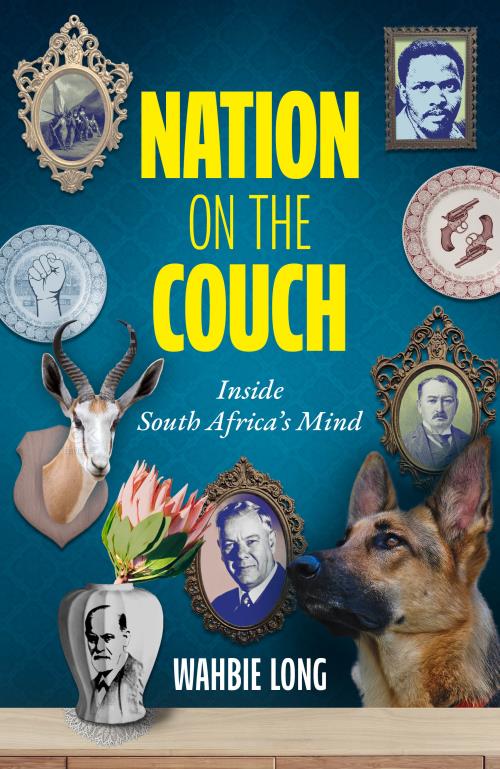
Nation on the couch: Inside South Africa’s mind
Professor Long’s book presents a psychoanytically informed analysis of the fractionated and divided self that, if such a thing as a national character exists, seems to define ours. Into this mix he weaves an explication of the sociological concept of alienation and insights gleaned from Marxism to illuminate some of the possible psychodynamics at play in student protests, white suburbia, and the corruption riddled political class. I particularly enjoyed his insights into the pivotal roles greed, envy, shame and humiliation play in our fraught society.
The concluding chapter offers The Golden Rule, which is, “Do unto others as you would have done unto you and do not do unto others as you would not like done unto you” as salve for our wounded nation. And while I agree that this is an essential value that most people in a functioning society ought to adhere to, as medicine for our dis-ease it seems not to carry any more weight than the Rogerian insistence that warmth empathy and congruence are necessary and sufficient preconditions for human growth.
A second problem I have with many attempts to apply psychoanalytic concepts to the analysis of social problems is that we end up offering generic analyses of abstracted psyches. When we speak of the psyche of a black student protestor or that of a white denizen of suburbia, who exactly are we speaking about? It can only be an abstraction based on stereotype. This does not mean that we cannot speak about the experience of being black or white in South Africa, simply that this experience, while embedded in a political and social context, can only be had by a particular individual. It may be shared amongst people of course but I think we must avoid the reification of such abstractions as “black” and “white” psyches.
Nevertheless, the book is a thoughtful attempt by a South African psychologist to contribute positively to the difficult times our country is facing.
The Moral Animal: Why We Are, the Way We Are: The New Science of Evolutionary Psychology
This is an older book (1994) but is an excellent starting point for those interested in exploring evolutionary psychology. Robert Wright offers an erudite, informative and deeply thought-provoking application of Darwinian principles to our loves, loyalties, betrayals, hates and fears, our inner and our social worlds. He offers compelling explanations and insights into how these behaviours can be undertood as machinations in service of the propagation of genes. Some might find this disturbing because it challenges many of our deeply held humancentric beliefs, but I find the perspective that human beings are as much a part of the natural world as all the other animals a relief. Whether we are religious or not, most of us tend to assume that humanity is separate from and indeed above the rest of the natural world. The evolutionary psychology perspective humbles us. Compassion, altruism, parental love, psychopathy and more are all explored. There are, as some other reviewers (Stephen Pinker) some problems with the moral conclusions Wright draws, but the book is an engrossing read and worthwhile introduction to the sensitive and ethical application of Darwinian thinking to human biology and social relationships.

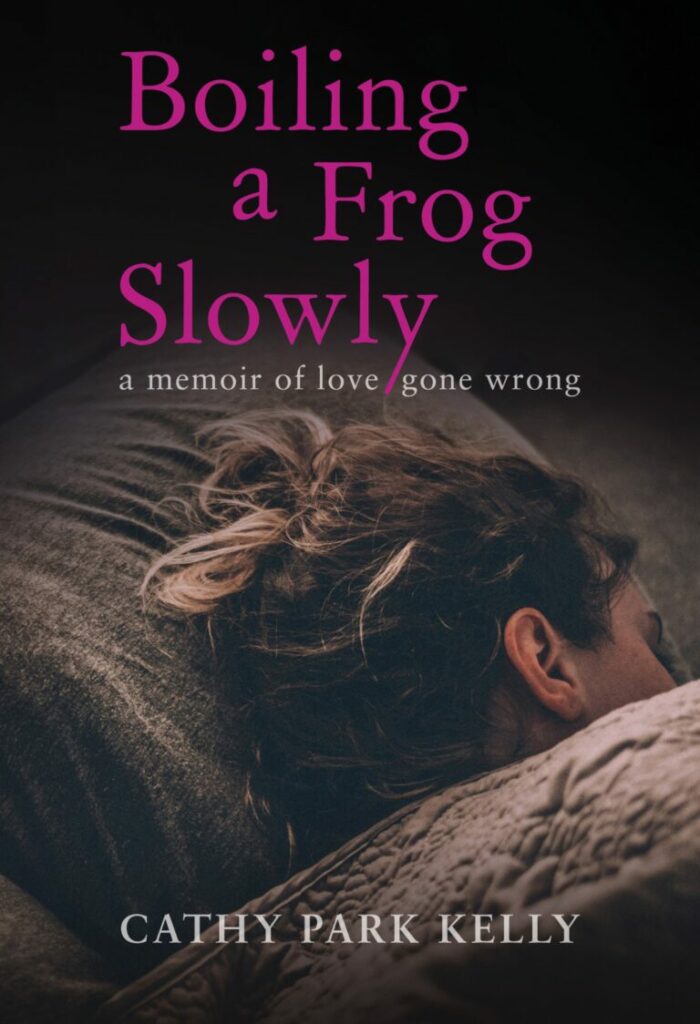
Boiling a frog slowly: a memoir of love gone wrong
South African author Cathy Park Kelly‘s book is an intensely personal autobiographical account of her experience of an abusive relationship. Through quiet and unassuming prose, the reader is drawn into an intimate relationship with Ms Park Kelly as she reveals the gradual escalation of interpersonal violence in her relationship. Her story is all the more poignant because she does not villainize her abusive partner, nor does she attempt to psychologize or understand him. She simply and with nuanced precision, describes the events of the relationship and her responses to them. There is no jargon and none of the catchphrases that can so easily bedevil the useful exposition of the experience of abuse
The result is a profound book that is a towering psychological achievement. It is an invaluable resource for women caught in such relationships and a thought provoking and compelling read for men.
A feast of Richard Holloway …
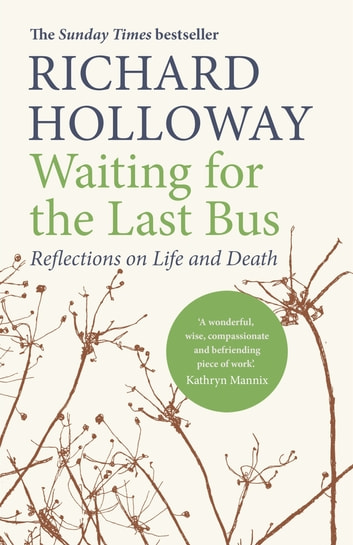

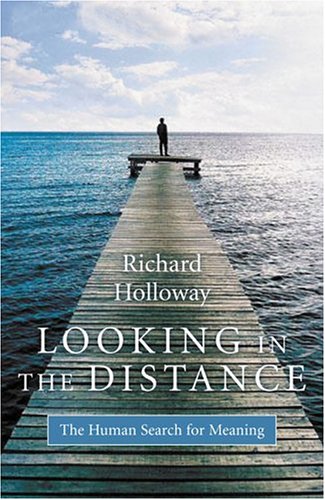
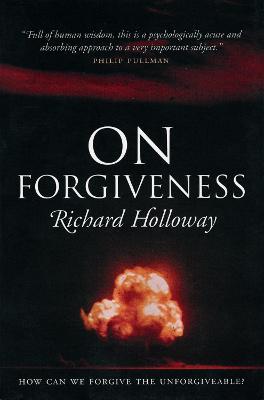
Richard Holloway was the Primus of the Scottish Episcopalian church but resigned that position as his thinking and beliefs took him outside of the church’s doctrine. He is a prolific writer. He says that his friends tease him that if he has a thought, he publishes it. More strength to him I say. These tender and compassionate books reveal a humble yet expansive mind that weaves poetry, music, philosophy, and religious study around two central themes.
By being aimed at someone and not something, forgiveness becomes an act of love
Richard Holloway – On forgiveness
The first theme is death, our own and that of the people around us. Holloway is in his 90’s and writes poignantly and courageously about his life and his approaching death and in-so-doing offers much comfort for anyone who has lost. Waiting for the last bus and The heart of things are most centrally concerned with this theme. In the preface of the latter he acknowledges the criticism levelled at him by an editor that he is an anthologiser more than a writer and that book is threaded through with poems and excerpts from literature that inspires and lifts the reader’s thinking and feeling about this very difficult subject.
The second theme I’ve highlighted in me reading of these books is our search for meaning and what Holloway articulates as the core dilemma we face as creatures who are compelled to make meaning but born into a universe that is utterly indifferent to us. Holloway confronts the hardest things about being human with warmth, humility, and educated thought. On finishing these books, the reader is sure to feel that (s)he has spent good time in the company of an intelligent and deeply compassionate thinker.
Here’s a quote.
That’s why I am grateful to old age for slowing me down at last and, in Clive James’s phrase, for helping me ‘see the cosmic blaze and feel its grandeur’ before it’s too late. I am also glad I figured myself out before the end, though I wish I’d done it sooner. It would have helped me had I realised earlier that my acceleration system wasn’t in sync with my braking system. But it was the life I was dealt, the cards I was given to play. No Saint or Scholar among them, but a few useful ones, nevertheless. And I can say this: whatever else it lacked, my life was rarely boring. Still, I hope I have enough time left at the table to get better at what Nietzsche called amor fati,96 love of the fate I was dealt, the life that wove itself on the loom, the person I was. Maybe even to love him the way Derek Walcott commanded:
You will love again the stranger who was your self.
Richard Holloway – Waiting for the last bus – reflections on life and death
Give wine. Give bread. Give back your heart to itself, to the stranger who has loved you.”